

Aluminum is the measure of all things in lightweight construction — whether in electric mobility, aerospace or the electrical industry.
But when it comes to joining, traditional fusion welding quickly reaches its limits: distortion, porosity, hot cracks and complex seam preparation. An elegant answer to that is that Friction Stir Welding (FSW), in German friction stir welding. In combination with a precision CNC robot, this becomes a flexible, economical solution — even for components with complex geometries.
FSW is a Solid-state joining process: The workpieces are not melted, but are only plastically softened by frictional heat and brought together under high pressure. The process was invented in 1991 at the British The Welding Institute (TWI).
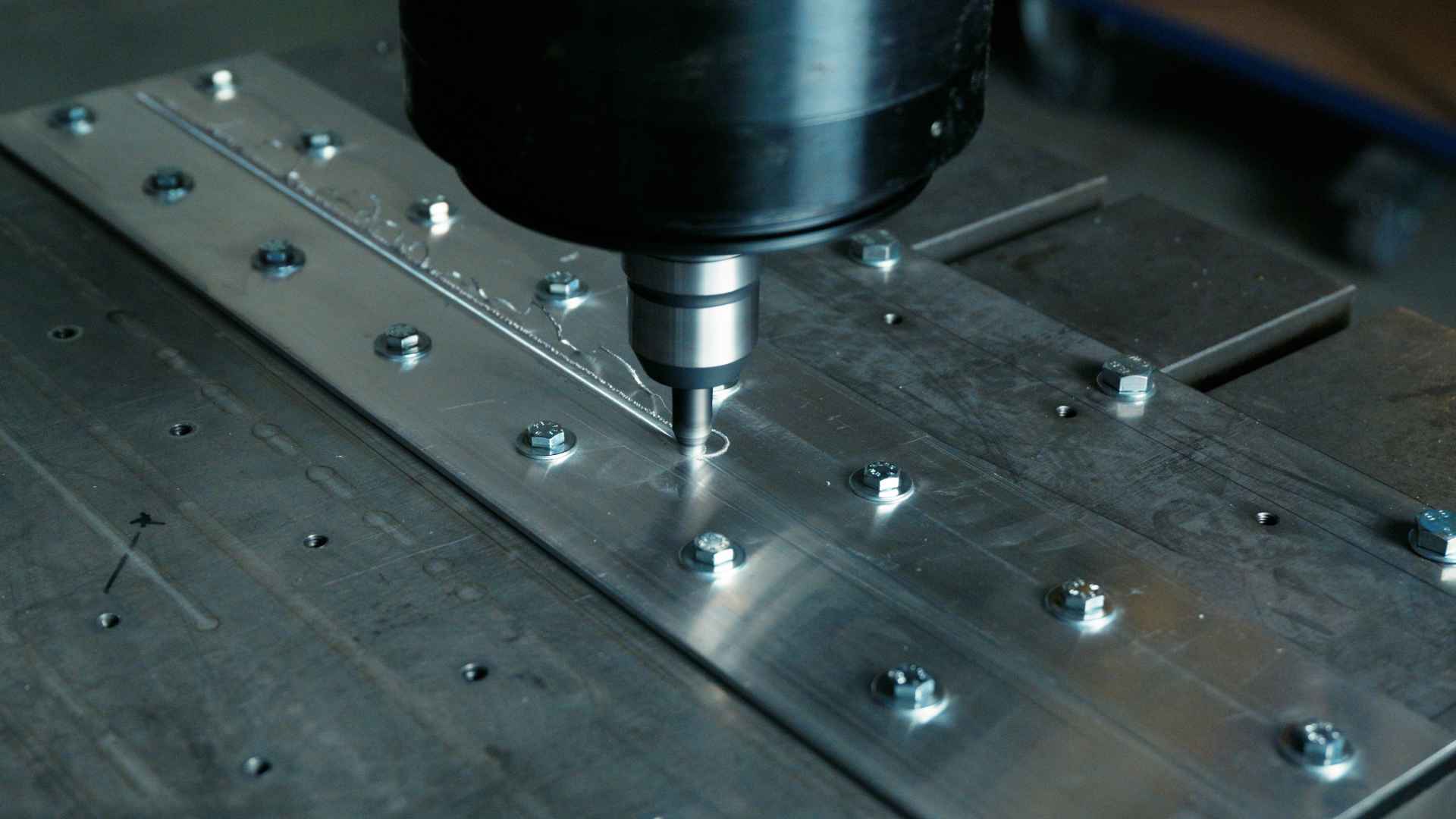
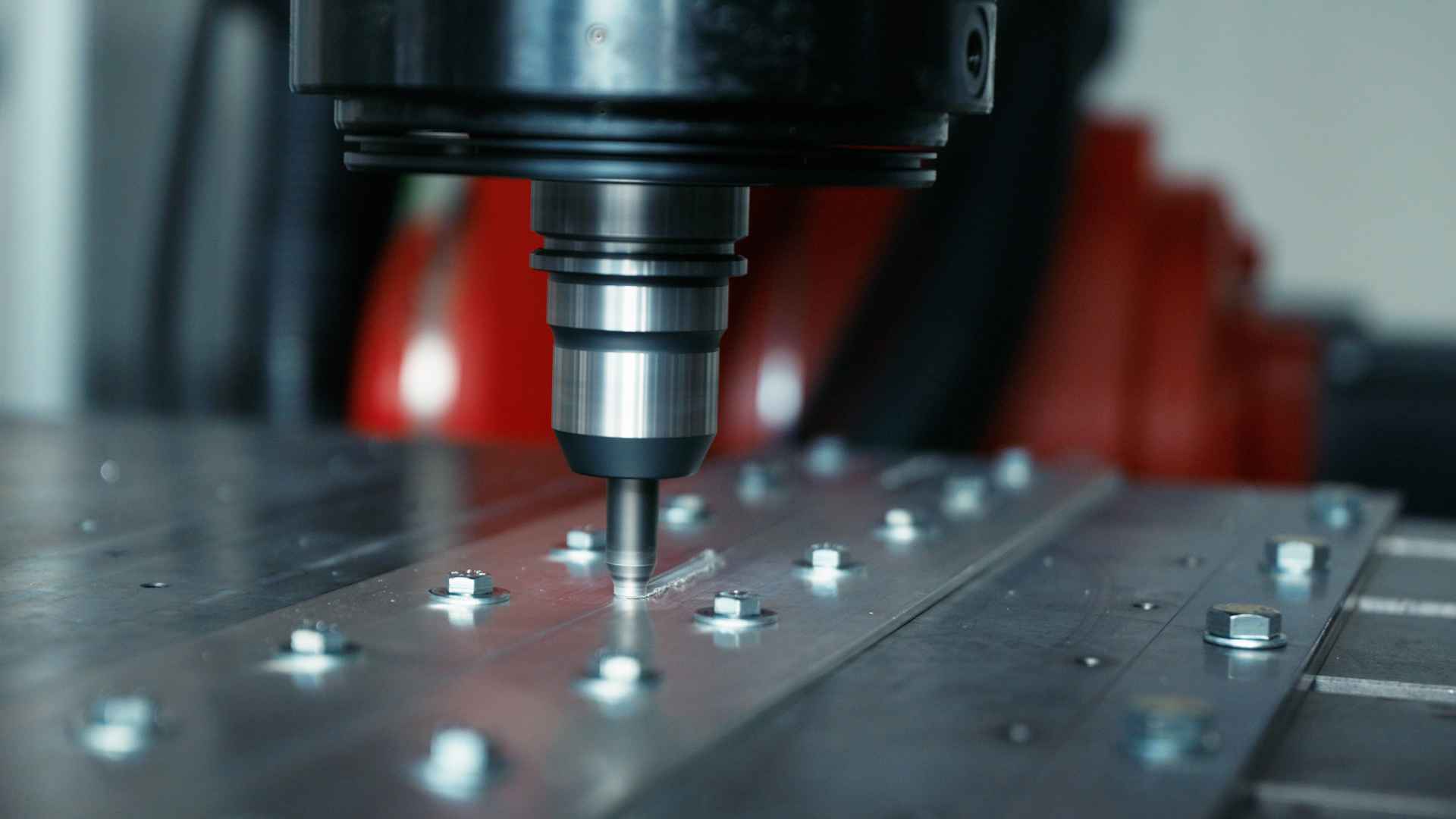
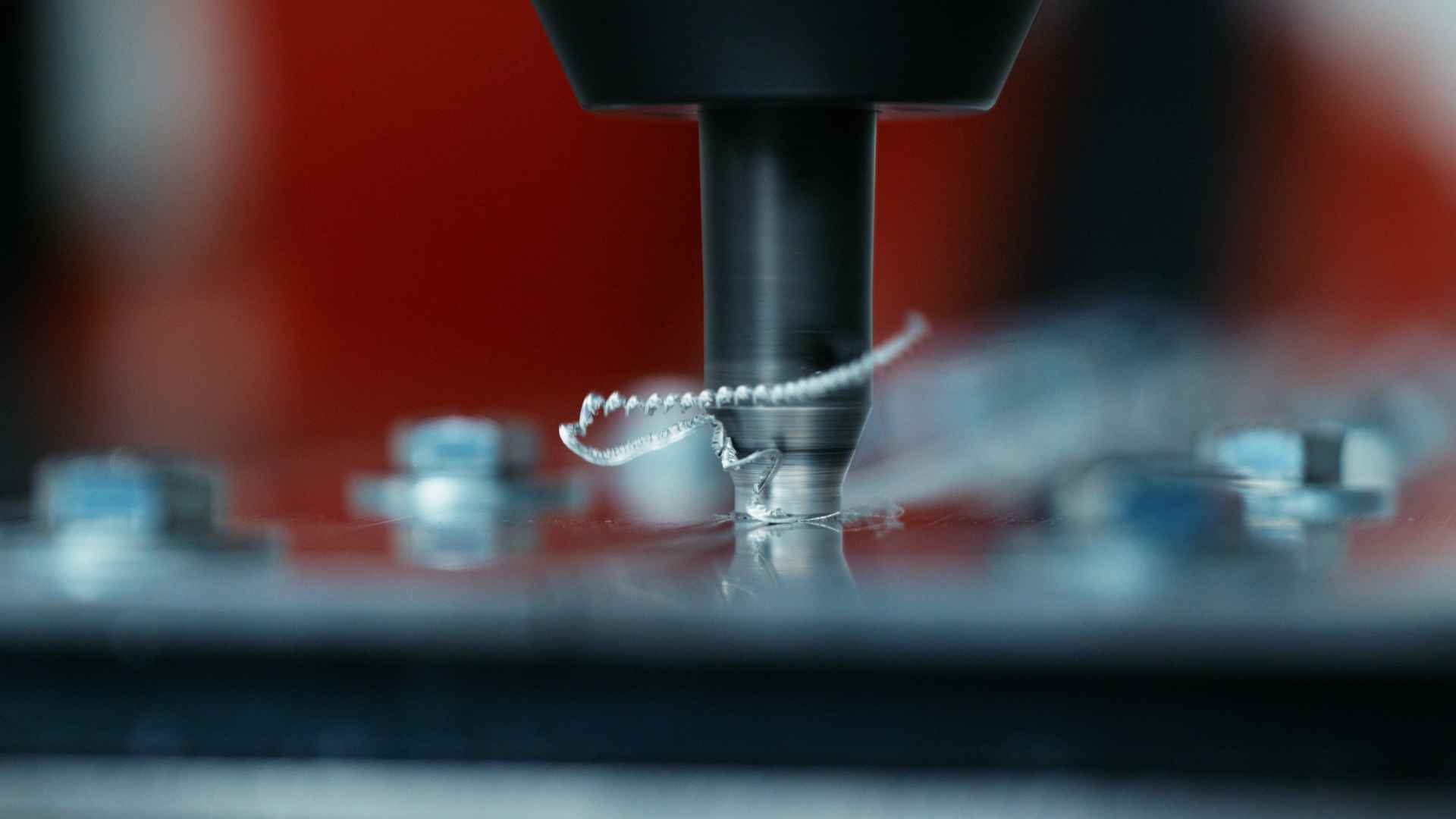
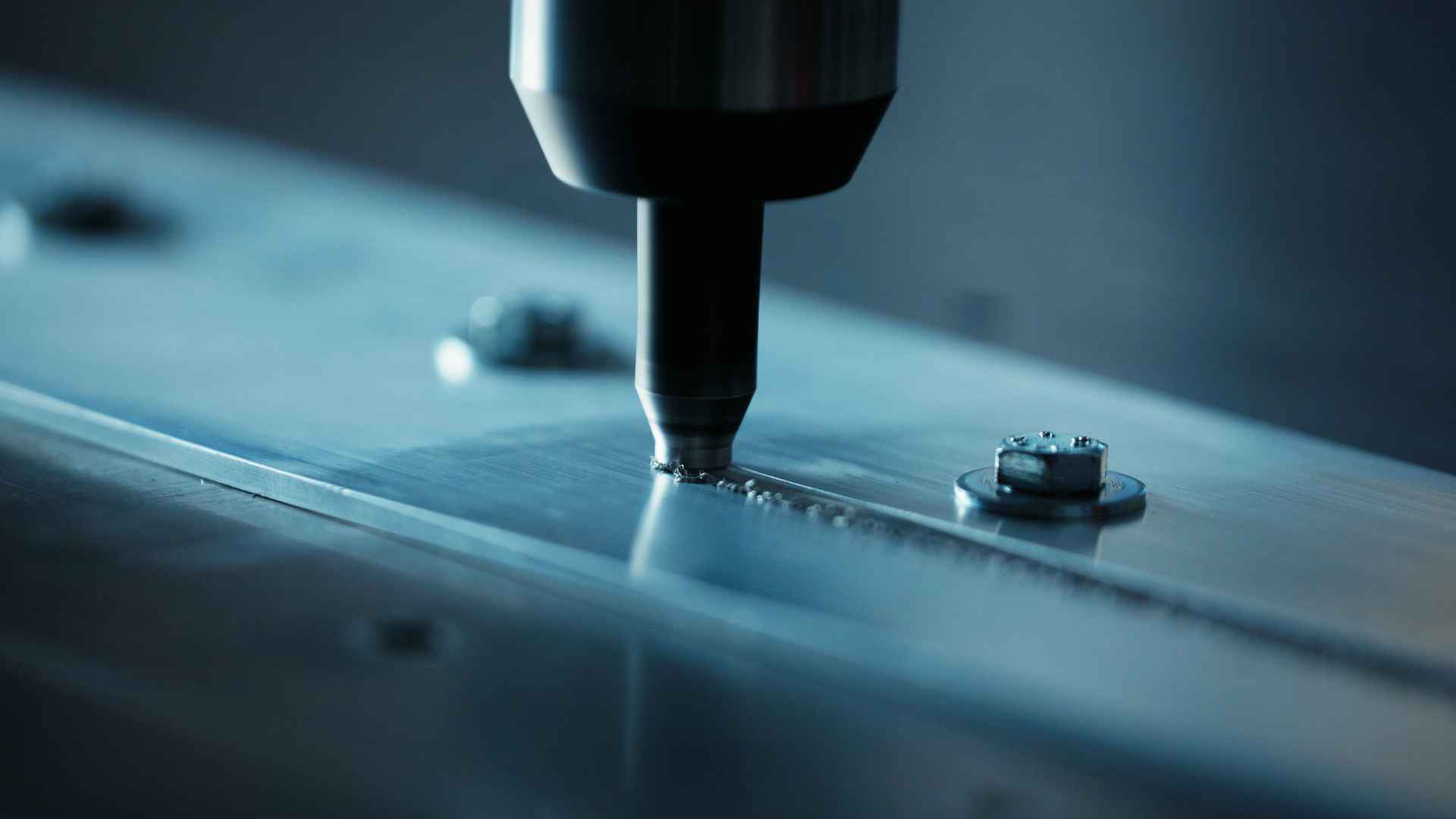
A rotating, non-melting tool from shoulder and profiled Pin is immersed in the joint of two workpieces until the shoulder rests. Friction and plastic deformation heat the material to around 70—90% of its melting point. The plasticized material is stirred by the pin and “smudged” off the shoulder — as the tool moves along the joint, a homogeneous, fine-grained seam is created.

From a research process, FSW has long since become a key industrial technology — with three particularly dynamic fields of application:
FSW is traditionally carried out on large, heavy gantry machines — ideal for long, straight seams and thick sheets. However, this is oversized for many of today's components in e-mobility and electrical industries. An industrial robot offers decisive advantages:
The central challenge, however, lies in stiffness: FSW affects the robots Axial forces of typically 2—8 kN, plus lateral and torques that deform it under load. Without compensation, path accuracy — and therefore welding quality — suffers.
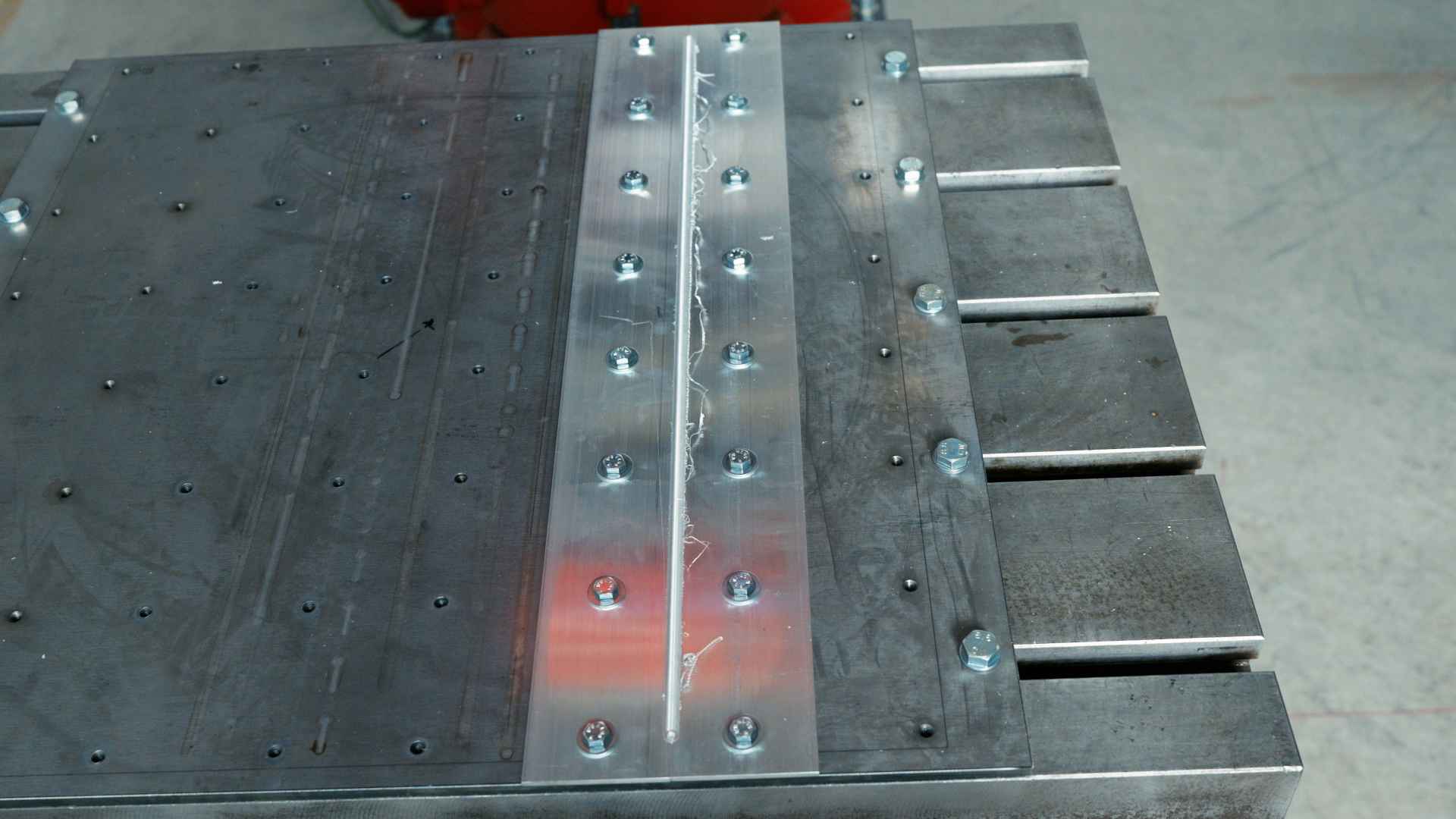
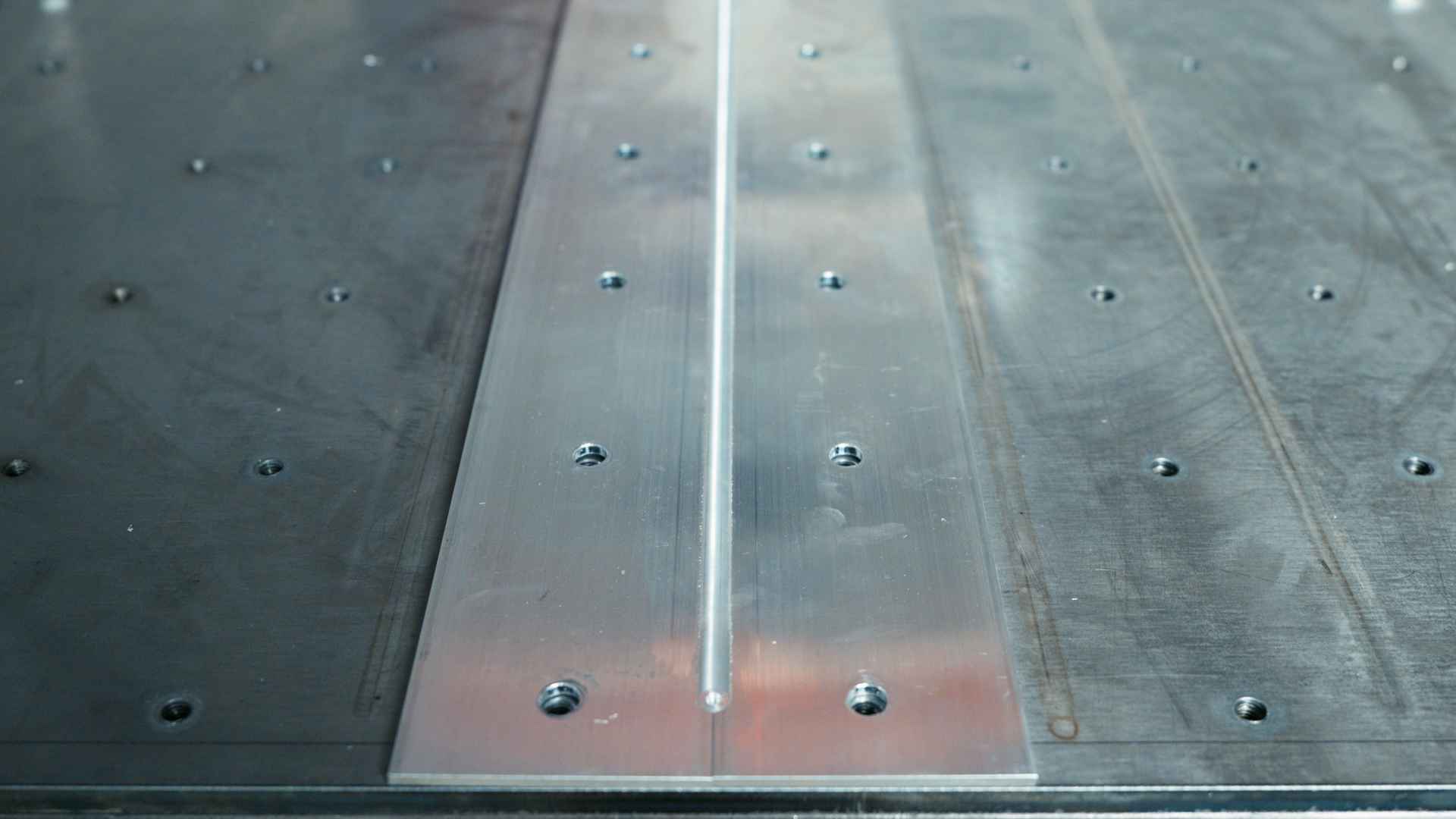
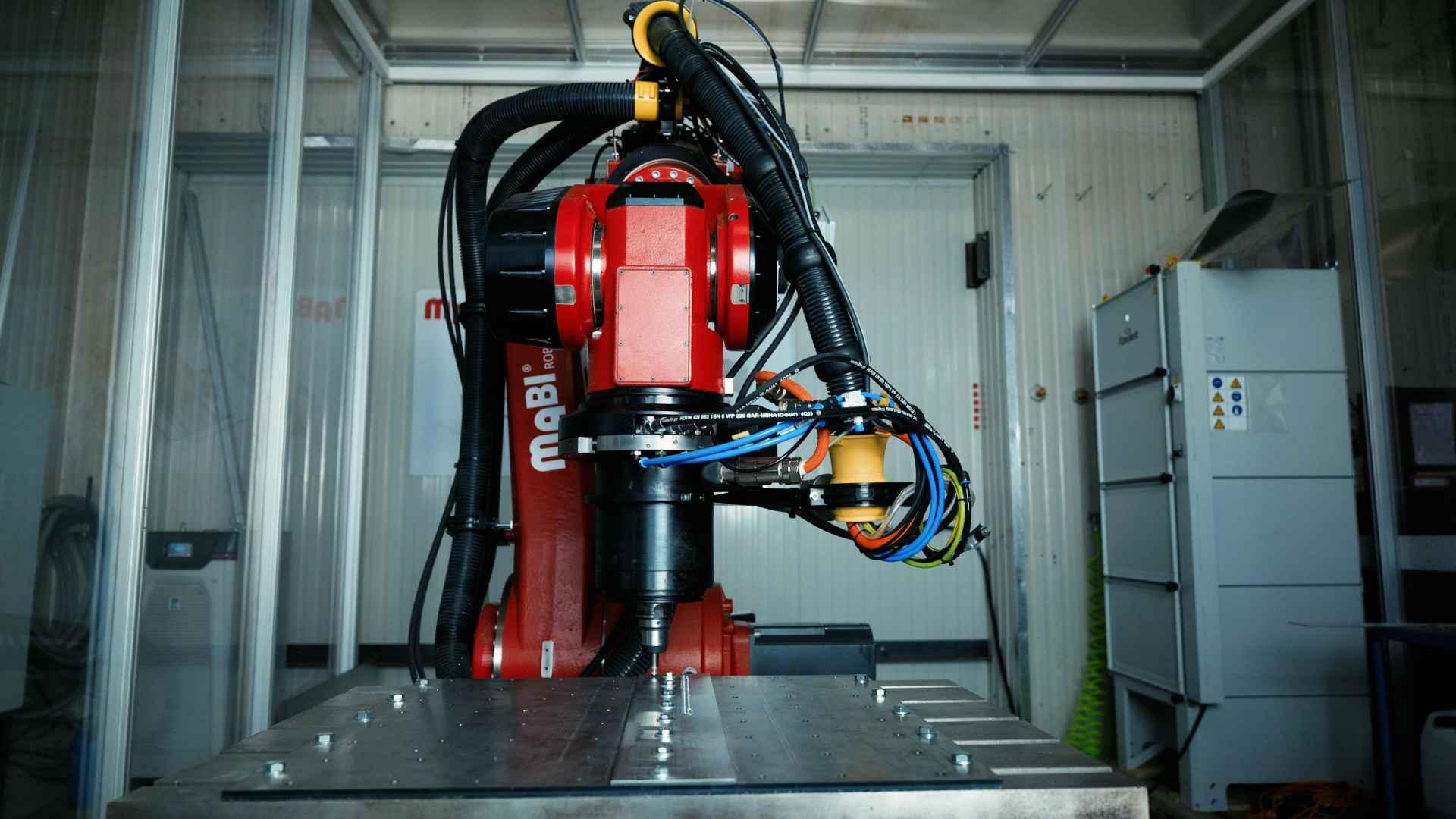
This is exactly where the CNC precision robot comes in Secondary encoders on the transmission output side and one CNC control from the world of machine tools (SINUMERIK ONE) on. The secondary encoders measure the actual axis position under load; the CNC ensures constant feed and process-reliable path guidance. We have shown in-house that this concept works: 4 mm thick EN AW-6060 sheets were used to produce welds of excellent quality — without visible defects, with a clean seam surface and stable reproducibility.
For “easier to weld” aluminum alloys such as EN AW-6060/6061/6082 in sheet thicknesses of up to approx. 4 mm — an area that covers the vast majority of applications in electric mobility (cold plates, busbars), electrical industry and lightweight construction. It is not only the load capacity that is decisive, but also the stiffness under process forces: secondary encoders on each axis record the elastic deformation of the robot in real time and enable a significantly more precise weld path than with standard robots.
A CNC controller such as SINUMERIK ONE is designed for constant feed, predictive path planning (look-ahead) and multi-axis interpolation — properties that are essential for uniform heat transfer to FSW. Existing processing cycles, adaptive control and compile cycles can be used and extended for FSW tasks (immersion, welding, force control). The robots In terms of process technology, it is operated like a machine tool — including direct CAD/CAM connection and continuous process data recording.
Each combination of materials and tools behaves individually. Speed, feed, contact force, tilt angle and pin geometry must be coordinated — today mostly iteratively and empirically. For reproducibly high welding quality, Process control and process monitoring indispensable: Force control instead of pure position control, torque monitoring, temperature measurement and complete data collection in accordance with ISO 25239. With SINUMERIK ONE, these functions can be implemented directly in the control environment — the basis for industrial, quality-assured FSW production with the robot.


